Capture and Relocation of Wild Animals: A Respectful and Safe Solution

Wild animals entering homes, gardens, and properties can cause property damage and pose health and safety risks. To manage these situations effectively and humanely, having a professional capture and relocate wild animals is the best solution. These services not only ensure the safety of occupants, but also the well-being of the animals.


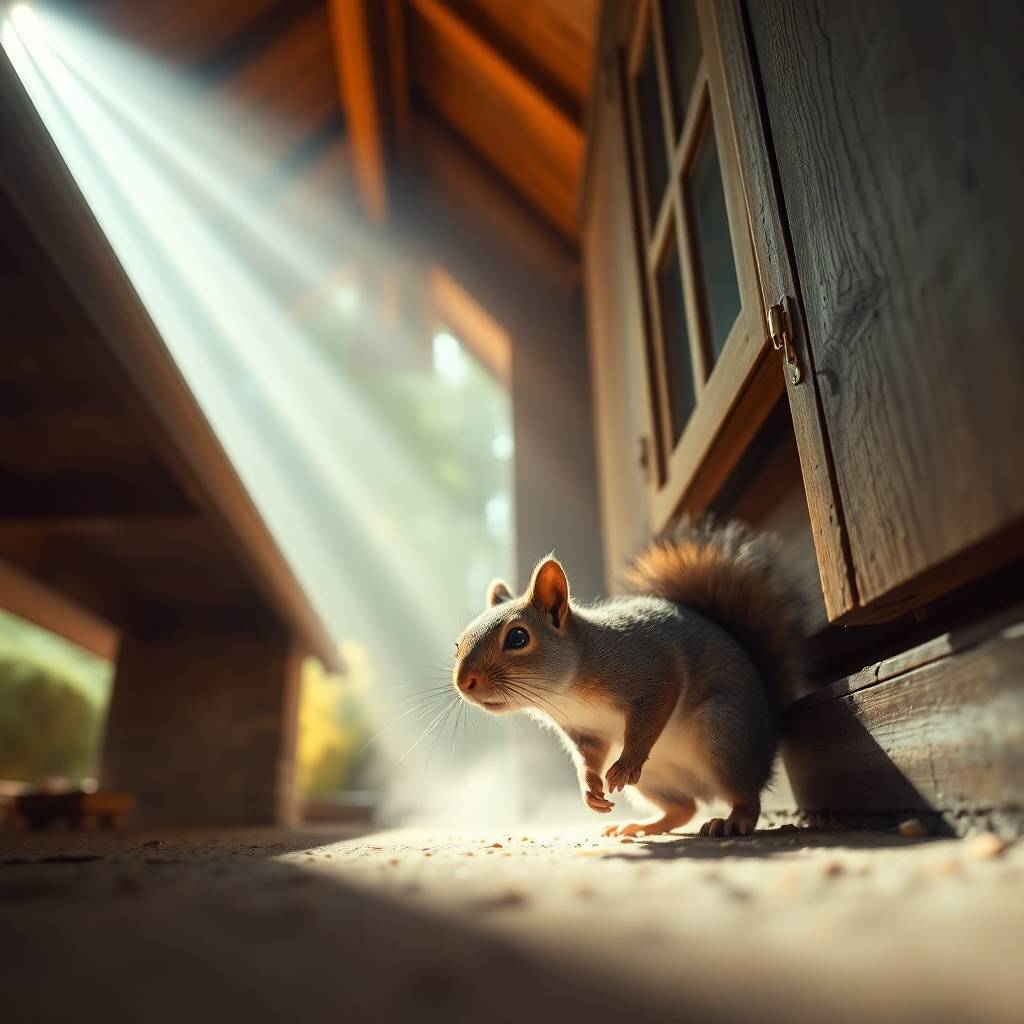
A specialist capturing and relocating a wild animal on residential property

Why Do Wild Animals Settle Near Humans?

Wild animals are often attracted to urban or semi-rural environments for several reasons:

  • Abundance of food: Garbage cans, gardens, and bird feeders are easy sources of food.
  • Accessible shelters: Attics, basements, garages, and sheds provide safe places to nest or hibernate.
  • Reduction of their natural habitat: Urbanization forces some animals to seek refuge in inhabited areas.

Raccoons, skunks, foxes, groundhogs, and birds are among the species most often involved in intrusions.

Why Use a Wildlife Capture and Relocation Service?

Dealing with a wild animal without expertise can be dangerous, both for you and for the animal. Here's why it's essential to call in a specialist:

  • Guaranteed safety: Professionals have the equipment and techniques to capture animals without risk to humans or pets.
  • Humane and ethical approach: Animals are captured without cruelty and relocated to a suitable habitat.
  • Knowledge of local laws: Many regions have strict regulations regarding the capture and relocation of wild animals.
  • Sustainable prevention: In addition to capturing animals, experts identify and eliminate the underlying causes of intrusions.

Signs of the Presence of Wild Animals

Certain signs may indicate that a wild animal has taken up residence on your property:

  • Unusual noises: Scratching, footsteps, or cries at night coming from the attic or walls.
  • Signs of passage: Visible trails in the lawn, footprints, or hair caught in fences.
  • Property damage: Displaced tiles, chewed cables, or overturned trash cans.
  • Presence of nests or burrows: Mainly in isolated areas such as attics or under terraces.
  • Excrement: Droppings can be an indicator of the species present.

Methods for Capturing and Relocating Wild Animals

A capture and relocation specialist takes a comprehensive and professional approach to ensure everyone's safety.

Preliminary Inspection

An initial assessment identifies the species involved, the extent of the intrusion, and the access points that need to be secured.

Specific and Safe Traps

Experts use cages or traps designed to capture animals without harming them. These devices are strategically placed in areas where the animals are known to frequent.

Human Relocation

Once captured, the animals are released into natural areas where they can thrive without harming the local ecosystem or returning to populated areas.

Repairs and Prevention

To prevent future intrusions, professionals seal access points and give recommendations such as installing repellents or storing trash cans.

How Much Does a Capture and Relocation Service Cost?

The cost of an intervention depends on several factors:

  • The species concerned: Some animals require specific techniques or equipment.
  • Locating the problem: Hard-to-reach areas, such as attics or underground burrows, can increase the cost.
  • Necessary repairs: If entry points need to be sealed or damage is found, this may affect the price.

On average, the cost of an intervention varies between $250 and $700, depending on the complexity of the situation and the species involved.

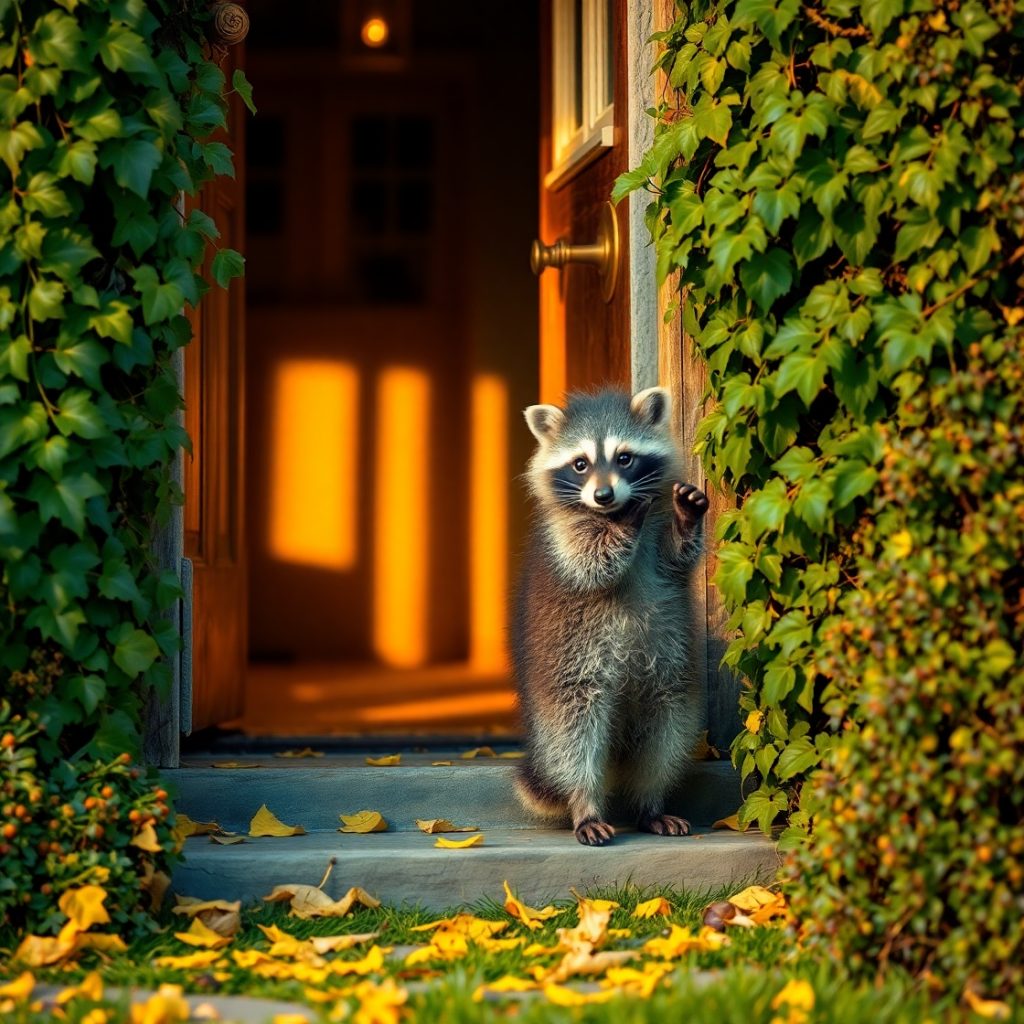
A specialist capturing and relocating a wild animal on residential property

Tips for Preventing Wildlife Intrusions

To limit the risk of intrusion, here are some preventive measures:

  • Seal access points: Repair cracks in the foundation, install screens over vents, and close openings under decks.
  • Manage waste: Use airtight trash cans and regularly clean areas where food scraps could accumulate.
  • Maintain outdoor areas: Trim trees and bushes near buildings, and avoid leaving piles of wood or debris accessible.
  • Use repellents: Certain natural products or sound devices can deter wild animals from approaching.
  • Avoid feeding them: Even unintentionally, leaving food accessible can attract wild animals.

FAQs

The most common species include raccoons, skunks, foxes, groundhogs, squirrels, bats, and certain birds.

Yes, but she must comply with local laws governing the treatment of wild animals. A professional ensures that these regulations are followed.

It depends on the species and its behavior, but most catches are made within a few days.

If access points are not sealed or food sources remain, other animals may move in.

They may work in some cases, but they risk stressing or injuring the animal. Calling in a professional ensures a humane and safe capture.

Professionals ensure that animals are released into a suitable natural habitat, far from inhabited areas.

Conclusion

Capturing and relocating wild animals are essential solutions for managing intrusions in a safe and respectful manner. Calling in a professional guarantees an effective, ethical intervention that complies with local laws. Whether it's to protect your home, your family, or the animals themselves, these services offer peace of mind and lasting solutions. If you are facing such a situation, don't wait: contact a wildlife capture and relocation expert today.

Test your eligibility